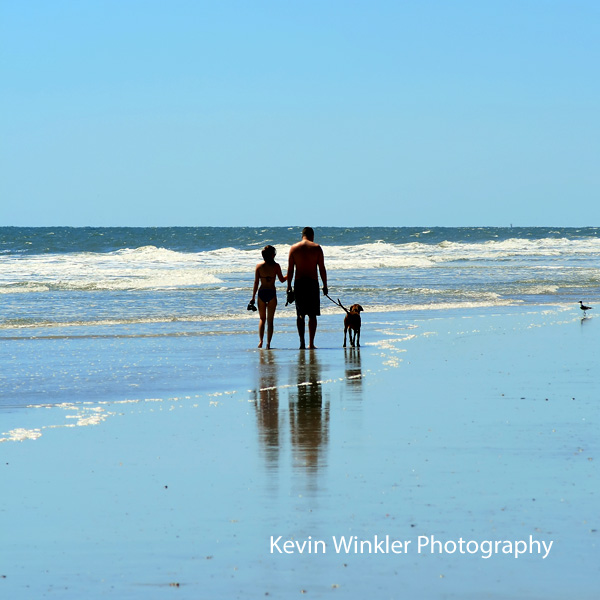
There are many reasons why North Florida is such an wonderful place to visit (or live). The climate is spectacular; great for boating, golfing, surfing, fishing and other forms of sports and recreation. In addition, the area is rich in arts and entertainment, fine-dining, shopping and history. North Florida also offers miles of beautiful beaches and waterways, cultural pursuits from jazz and Scottish festivals, to hot clubs and remarkable, ethnically diverse restaurants.


Thursday, July 18, 2013

Ravine Gardens State Park . . .

A must see North Florida experience . . .
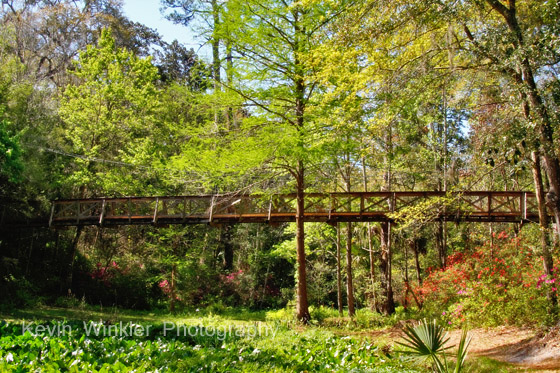


A ravine was created over thousands of years by water flowing from the sandy ridges on the shore of the St. Johns River.
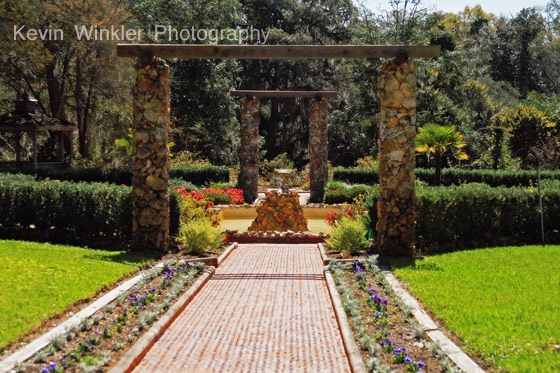


 In 1933, this ravine was transformed into a dramatic garden by the federal Works Progress Administration. Much of the original landscaping still exists as formal gardens and an extensive trail system. 


 A 1.8-mile paved road winds around the ravine, offering motorists and bicyclists a view of the gardens. The Ravine Loop is closed to vehicle traffic one hour before sunset, but remains open for pedestrians, bicycles, and wheelchairs.


The garden's peak flowering period is azalea season, late January to April. Numerous picnic sites, equipped with tables and grills, are available to visitors. The Roy E. Campbell Civic Center complex features a large covered pavilion, auditorium, and meeting rooms that are available for rent. Located in Palatka at 1600 Twigg Street.


Saturday, July 13, 2013

Castaway Island Preserve . . .


Protecting more than 300 acres of coastal habitats along the meandering, estuarine San Pablo River, Castaway Island Preserve is a breezy spot to get away from the city neighborhoods and enjoy a breath of fresh air outdoors.


 A peninsula on the edge of suburbia, it’s its own world once you pass through the gates. Ibis and wood storks comb through the shallow marsh edges. Gopher tortoises lumber through the protected pine flatwoods of the island, which is surrounded by the estuary.


This is a gentle mile-long walk for all ages, well-interpreted and fun to follow – especially for kids – with plenty of benches and overlooks along the way.


Wednesday, June 26, 2013

Jacksonville Florida Beach Activities . . .


Immerse yourself in Jacksonville’s 21 miles of wide, uncrowded beaches. Visitors will find plenty to do, with diverse activities, family fun, restaurants and nightlife, souvenir shops and oceanfront hotels blending into the scene without crowding views of the shoreline.


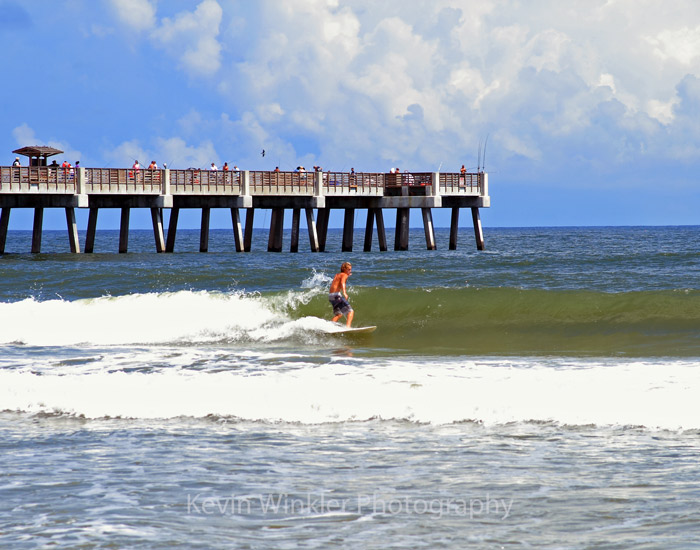
Start your exploration of the beaches with a refreshing walk along the wide, paved boardwalk or take to the sea on foot. The Jacksonville Beach Fishing Pier launches out nearly a quarter of a mile into the Atlantic Ocean and offers great views of the coastline. Admission is only $1 for pedestrians, fishermen are $4.


Explore the beach’s colorful history with a stop at the Beaches Museum & History Center in Jacksonville Beach. With its replica boardwalk filled with photos and displays, visitors will be whisked back in time to an era when Jacksonville's beaches were the playground of politicians, celebrities, gangsters and socialites. The museum is also home to one of four Visit Jacksonville Visitor Centers.


If you prefer water immersion to dry land, take a surf lesson from a local surf shop like Aqua East or search the ocean for dolphins and sand bars that come and go with the tide. Kayak Amelia offers family-friendly guided excursions, including the Shell Hunter and Island Hopper tour where paddlers discover what the tide leaves behind on sand bars – sharks’ teeth, shells, crabs and more. Or head out to sea on the Dutton Island Dolphin Adventure. You'll not only catch glimpses of dolphin, but also Florida’s birds and manatees.


Monday, June 24, 2013

Shop North Florida . . .


Welcome to the St. Johns Town Center® representing the heart of shopping and dining in Jacksonville, Florida.


The outdoor lifestyle mall is home to 150 of the hottest stores, many exclusive in the market, including Dillard’s, Apple, Pottery Barn and Ann Taylor as well as shops in the palm-lined streets of the Luxury Collection such as Louis Vuitton, Tiffany & Co. and Mayors.  


As much a fashion-forward shopping hotspot as a dining destination, the diverse palate is represented with exciting options as The Cheesecake Factory, The Capital Grille and Cantina Laredo. Or relax among the Florida sunshine at the Park Green’s turtle pond, life-sized chess board or dog park.


Conveniently located in Jacksonville’s Southside neighborhood, St. Johns Town Center is easily accessible to I-95, I-295 and J. Turner Butler Boulevard and between Downtown and the beaches serving Jacksonville, St. Augustine, Amelia Island and South Georgia.    From the management team at St. Johns Town Center, we hope to see you soon!  


Saturday, June 22, 2013

Historic Mayport Village


Mayport's history began with the Timucuan Indians, who lived in what is now the southeastern United States for more than 5,000 years.  These Indians developed a high level of technological achievement compared to otherNorth American Indian cultures.  Their life styles were recorded by Jacques Le Moyne, an artist who accompanied French explorer Jean Ribault.

When Ribault arrived to explore the area of Mayport and the St. Johns River of Northeast Florida, his landing site was Batten Island, across from present day Mayport Village.  Ribault entered the river on the first day of May in 1562 with three ships.  Upon Ribault's arrival he was met by the Timucuans, led by Chief Satouriba.  After a short settlement, the French were expelled by a Spanish force from St. Augustine.  Spain then ruled Florida until 1821 when it was ceded to the United States.

Historians have no recorded date for the original settlement of Mayport Village.  The suggested dates range from 1562 when the French first settled to 1828 when the area really began to grow.  Early settlers of Mayport came from France, Portugal and the island of Minorca.  These people were fishermen and they thrived due to the close proximity of the continental shelf and large quantities of fish.  


Fishing has been the major economic base for the Village, but in the early days Mayport also supported itself through the lumber industry.  Mayport Mills was the name of the fishing village until the end of the Civil War.  Mayport was also a well known resort town during the 1800s, gaining a bold reputation with its hotels, prize fighters and taverns.  Tourists from Jacksonville would cruise down the St. Johns River for a scenic ride along the Mayport coast.  Boats would then dock and the passengers would dine or stay overnight.

Until 1899, boat transportation was the major access into and out of Mayport.  Since Mayport was important for incoming and outgoing cargo, the Jacksonville and Atlantic Railroad was built to connect Mayport with Jacksonville.  A railroad dock was then built where cargo would be transshipped inland.  The dock stood where the present day U.S. Coast Guard Station now stands.  The railway lasted until 1919 when it was abandoned.  The fishing village became semi-isolated until Word War II with the construction of the U.S. Naval Air Station.